
THE WINNERS AND LOSERS OF 2025
As 2025 draws to a close, commodity markets have delivered a tale of two extremes. Driven by shifting macroeconomic winds, geopolitical tensions, and evolving supply-demand dynamics, some assets surged to multi-year highs while others collapsed under pressure. Here's a look at the standout performers and the biggest laggards across the spectrum.
ANNUAL REVIEW
Erin Perry
12/8/20254 min read
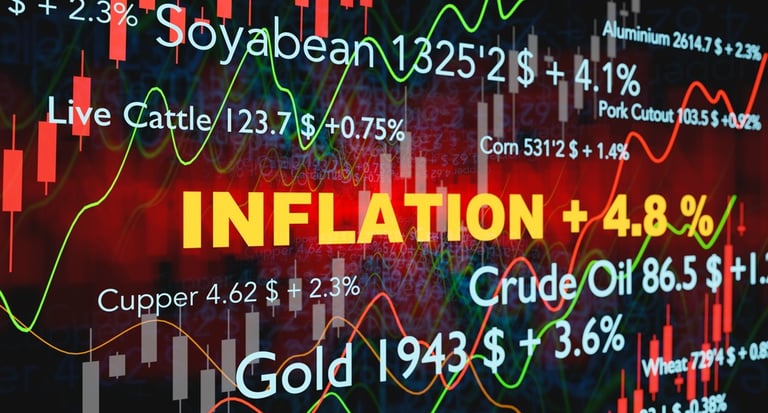

As the final chapter of 2025 closes, the commodity markets have delivered a story that few analysts predicted at the year's outset. While a broad bearish consensus proved correct for the overall index, the internal dynamics revealed a dramatic tale of divergence. This wasn't a uniform downturn but a fractured landscape where specific supply shocks, technological shifts, and safe-haven demand created extreme winners and losers, defying simple categorization. Let's look back at the commodities that defined this tumultuous year.
The Big Picture: A Tale of Two Markets
The year unfolded as a tale of two very different markets. On one hand, weak global economic growth, a growing oil surplus, and persistent policy uncertainty drove the broad commodity indices to six-year lows. On the other, geopolitical tensions and investor anxiety fueled a historic rally in precious metals, while severe weather disruptions created unexpected spikes in specific agricultural and livestock markets.
🥇Top Winners of 2025
1. Platinum (+50.39%)
Fueled by industrial demand and safe-haven flows.
Benefited from rate cuts and a weaker U.S. dollar.
2. Silver (+40.6%)
Nearing its 2011 highs.
Strong ETF inflows and retail investor interest amid inflation hedging.
3. Coffee (+37.6%)
Tight supply and resilient demand supported prices.
Weather disruptions in Latin America added bullish momentum.
4. Gold (+34.3%)
Broke above $3,700/oz after Fed rate cuts.
Geopolitical uncertainty and dollar weakness drove investor flight to safety.
5. Live Cattle (+30%+)
Strong consumer demand despite inflation.
Feed cost concerns didn’t dampen bullish sentiment.
🧊 Biggest Losers of 2025
1. Orange Juice (-45.2%)
Gave back explosive 2024 gains.
Oversupply and demand normalization triggered a sharp reversal.
2. Cocoa (-26.54%)
Weak demand and inventory overhang.
A stark contrast to its 2024 rally.
3. Rough Rice (-21.34%)
Record harvests in Asia and the Americas.
Export competition and strong dollar weighed on prices.
4. Corn, Soybeans, & Wheat (- 16% - 8.5%)
Multi-year lows due to bumper crops and weak Chinese demand.
Trade tensions and dollar strength added headwinds.
5. Crude Oil (-4.5%)
Expanding global supply glut and slower-than-expected demand growth.
Domestic oversupply and negative and weak returns.
Deep Dive into the Winners' Circle
Precious Metals: The Safe-Haven Surge
Precious metals were the undeniable stars of 2025. Gold led the charge with a spectacular rally, reaching record highs as investors sought stability amidst economic uncertainty and ongoing trade tensions. This wasn't a minor correction but a major market move, with the World Bank noting a 34% increase in gold prices for the year. Silver and platinum followed closely behind, posting impressive gains of 40% and 50%, respectively. This sector's performance highlighted a critical market dynamic: while commodity fundamentals were often weak, the broader macro environment was generating significant safe-haven demand that overwhelmed traditional price drivers.
Agricultural Outperformers: Weather and Supply Crunches
While the broader agricultural complex struggled, specific commodities exploded due to micro-level disruptions. Coffee was the standout, skyrocketing an astonishing 37.6% due to severe weather events across major growing regions that devastated supplies. In the livestock sector, feeder cattle and live cattle defied the bearish grain complex, rising 30% and 24% respectively, as supply shortages gave producers significant pricing power. Oats also had a strong year, climbing 16.7% and demonstrating how niche market shifts can create winners even in a down market.
Navigating the Downside: The Losers of 2025
Energy: The Bearish Consensus Holds (Mostly)
The energy sector largely unfolded as the bearish consensus predicted. A significant expansion of the global oil glut, combined with slower demand growth, pushed Brent crude oil prices down by 4.5% over the year. The World Bank projected that the oil glut in 2025 would rise to 65% above its most recent high in 2020, forecasting an average price of $68 for 2025 and a drop to $60 in 2026. The one surprise in this sector was natural gas, which surged 10.6% on the back of an unforeseen demand driver: the explosive growth in electricity consumption from data centers and AI computing.
Struggling Sectors: Grains and Industrial Metals
The broader grain complex saw the weakness that many analysts had forecast. Wheat and corn fell 16% and 5.5% respectively, reflecting ample global crops and shifting demand. Orange juice experienced the most dramatic crash, tumbling 45% as the market corrected from previous highs due to oversupply.
In the industrial space, the story was similarly soft. Copper, despite its critical role in the energy transition, managed a paltry 1.4% gain, a clear disappointment given its structural demand story. Lumber declined 8.5% as construction activity slowed, and battery metals remained under pressure from Chinese overcapacity and disappointing EV adoption rates. This sector's performance validated the consensus view that global industrial demand would remain weak throughout 2025.
Key Takeaways from a Fractured Year
The commodity landscape of 2025 offered several critical lessons for producers, traders, and investors:
Micro matters: The most important lesson of 2025 was that micro-level supply and demand factors increasingly trumped broad macro themes. While the overall economy was weak, specific disruptions in coffee and livestock created massive opportunities.
Safe-Haven Demand is Powerful: The dramatic divergence between precious metals and almost every other sector underscored the potent force of safe-haven demand in an uncertain world.
New Demand Drivers are Emerging: The surprise rally in natural gas, driven by AI data centers, signals a new source of commodity demand that few traditional models accounted for. This technological disruption is likely to create unexpected demand patterns in the future.
The Downturn Was Fractured: The days of synchronized commodity cycles may be giving way to a more complex reality. A diversified approach and deep sector-specific expertise are now more critical than ever.
Macro matters: Rate cuts, dollar moves, and geopolitical shifts were decisive in 2025.
Softs are volatile: Last year’s darlings (OJ, cocoa) became this year’s cautionary tales.
Conclusion: A Year of Validation and Surprise
In the end, 2025 was a year that validated the bearish consensus while simultaneously undermining it. Yes, the broad indices declined as predicted, but the most compelling stories and the most significant investment opportunities were found in the dramatic divergences within the data. This fractured downturn may be a preview of future commodity cycles, which are likely to be more specialized, more volatile, and more dependent on factors that don't show up in traditional macro models. For those watching the commodity markets, the key to success in this new environment will be agility, granular analysis, and an eye for the specific disruptions that can overwhelm even the soundest macro forecasts.
TRADING
Expertise in commodities trading, advisory, and procurement management services.
CONTACT
Churchill Executive Towers, Office 900 Business Bay, Dubai, UAE
801 Brickell Ave Ste 811 Miami, FL 33131
Dubai - 971 55 117 7276
Miami - 305 461 0016 info@stonekingdomcap.com